THE BIG BEAUTIFUL BILL AND THE EQUIPMENT CYCLE

On July 4, 2025, the One Big Beautiful Bill Act (OBBBA) was signed into law. For many readers it registered as a tax headline. For businesses that own productive equipment, it changed statutory provisions relevant to acquisition, and it arrived while three other conditions were already present in the market. What follows is descriptive background only. It is not tax, legal, accounting, or investment advice, and nothing here should be applied to any particular reader's facts without their own advisors.
What the bill changed
Two provisions are most often cited in connection with equipment. First, 100% bonus depreciation was restored and made permanent for qualifying property acquired and placed in service after January 19, 2025, ending the phase-down schedule that had stepped first-year expensing down toward zero. Second, the Section 179 expensing limit was raised to $2.5 million, with the phase-out threshold lifted to $4 million and both figures indexed for inflation going forward. BDO's summary of the expanded depreciation provisions and Grant Thornton's alert on accelerating depreciation under OBBBA walk the statutory language in detail.
One described effect of permanence is that the statutory expensing percentage no longer steps down by calendar year. Under the phase-down, the year in which property was placed in service could change the first-year expensing percentage. Whether any expensing is available in a given case, and in what amount, depends on the taxpayer's own facts.
Nothing here is tax advice, and any outcome is entity- and income-specific. See Section 179 and bonus depreciation for equipment owners for a description of the mechanics, and consult your own tax and legal advisors before any acquisition.
Direct title and pooled structures are treated differently
In a pooled vehicle, depreciation is generally computed at the fund level and whatever survives the structure, allocations, and basis limitations is passed through. Where a business holds title directly to a serial-numbered machine, depreciation, if available, is computed on that entity's own return for the year the asset is placed in service. The same statutory provision can therefore produce different results depending on how the asset is held. Availability in any specific case is fact-specific and a question for the owner's own advisors.
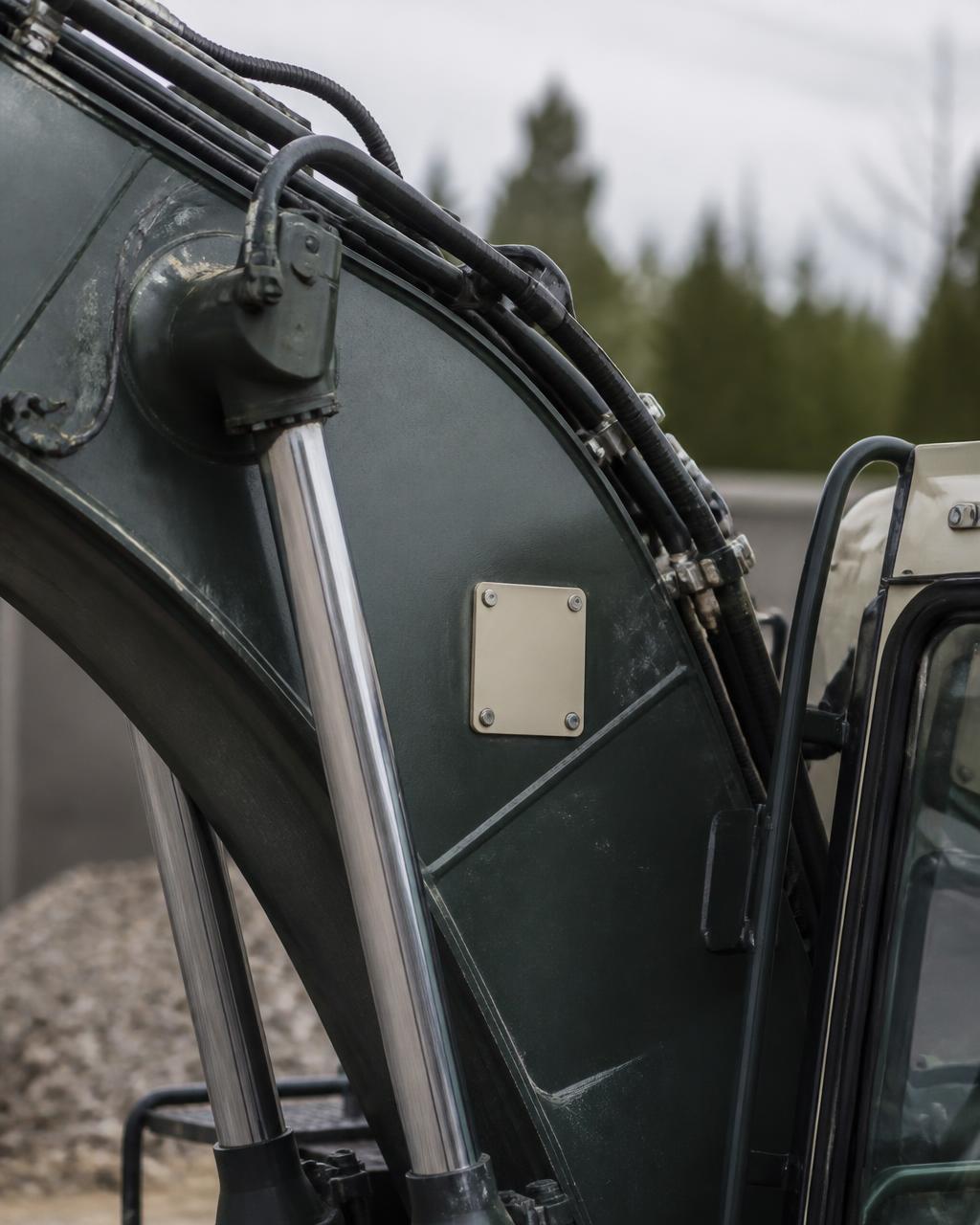
In the Highground program, participants form their own entity and that entity holds title directly rather than buying units in a pooled vehicle. Tax posture, estimated resale value, and the utilization record attach to a specific machine identified by serial number, tracked by hours, and insured in the participant's own entity name. Formation, tax positions, and insurance remain the participant's own responsibility, and program terms are governed by the definitive written agreements.
Condition two: supply remains tight
New-build lead times in the large earthmoving classes have not returned to pre-2020 norms. Where a contractor cannot take delivery inside a project window, that demand may move to the secondary market, and pricing on late-model units has in recent periods held above a standard depreciation schedule.
Those conditions can change. Backlogs may normalize and resale values may decline. Resale proceeds fluctuate and are not guaranteed, and past pricing behavior in the secondary market is not an indication of future results.
Condition three: multi-year infrastructure programs
Federal infrastructure authorizations, domestic manufacturing plants, grid and transmission work, data center construction, and water system replacement are multi-year programs rather than single seasons. The Census Bureau's monthly construction spending series tracks where that money is landing, and the Associated General Contractors' data center analysis quantifies how much earthwork and site development a single campus can pull forward. Committed spend of this kind is often associated with demand for machine hours in earthwork, site prep, and material handling.

Condition four: rent-versus-buy behavior among contractors
Higher financing costs and tighter credit have made balance-sheet purchases less attractive for some contractors, even where the work is available. Reported demand has in part moved toward rental and managed placement. Whether that pattern persists, and how it affects rates on any particular machine, is not predictable.
How the four conditions relate
Read together, these are conditions in the market: statutory full expensing is permanent, supply in some classes remains constrained, committed infrastructure spend continues, and some contractors are choosing rental over purchase. In the Highground program, revenue share is tied to a working machine, so utilization and estimated resale value are the variables that drive the result — and neither is guaranteed.
What these conditions do not establish
Market conditions are not guarantees. Backlogs can clear, rates can fall and draw contractors back into buying, and program spend can slip. Each acquisition is presented to the participant with the placement, hours history, and estimated resale value assumptions available for that participant's own independent evaluation with their advisors. The statute changed; it did not remove the business risk of owning equipment.
To review how a specific acquisition is presented under current conditions, schedule a consultation or read how ownership is structured in the program.